
Narak Chaturdashi is a celebration of the victory of good over evil, light over darkness, and the need for ritual purification. It is the second day of the five-day Diwali festival and honours the death of the demon Narakasura. It also sets a good and pure tone for the main celebrations.
Winning against Narakasura
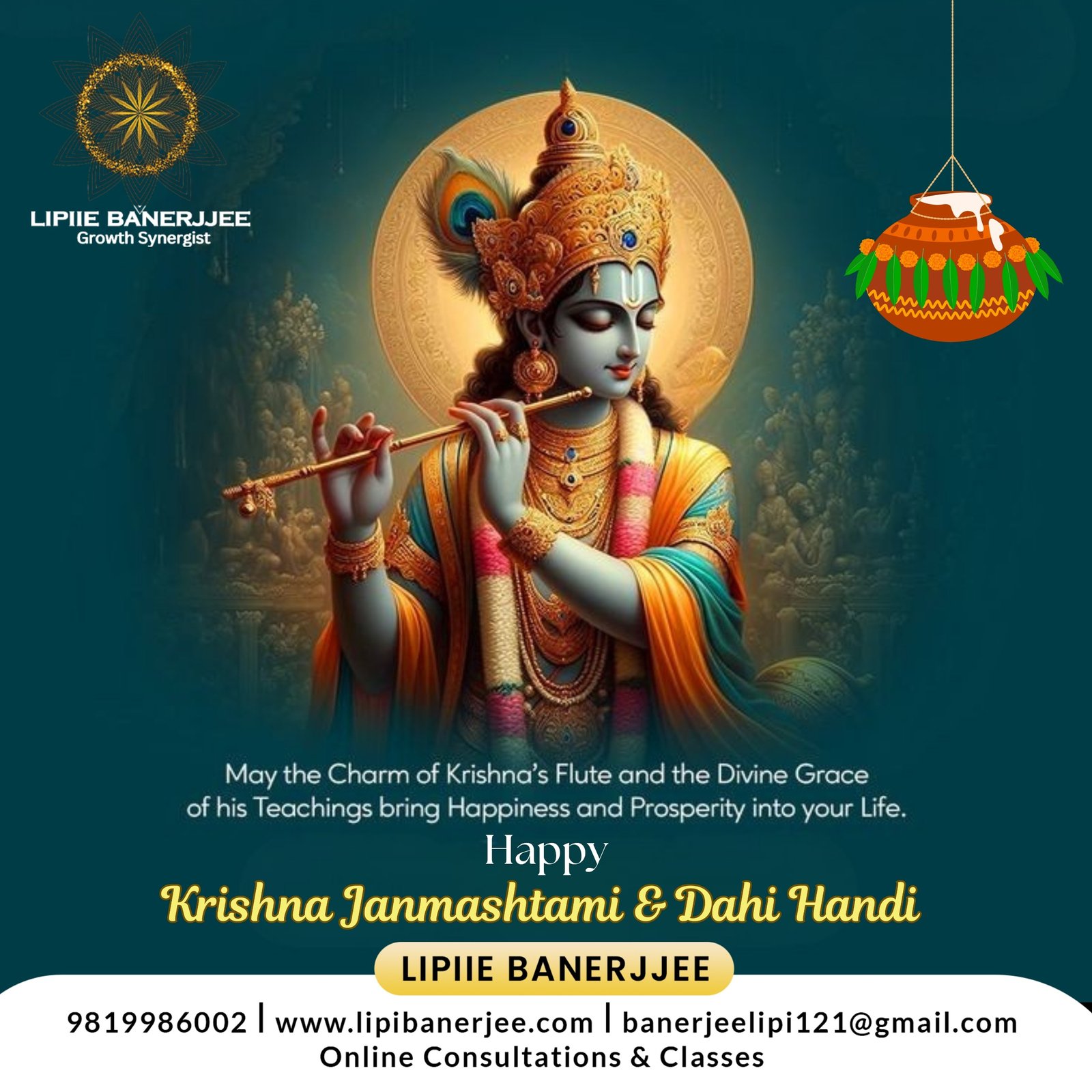
Hindu stories say that the main event of Narak Chaturdashi is when Lord Krishna, his wife Satyabhama, and Goddess Kali beat the demon Narakasura.
The story says that Narakasura was a bad and strong demon that scared people all across the world and kept 16,000 women as slaves.
The battle: Lord Krishna fought the demon and killed him on this day. This freed the people he had captured and set the world free from his cruel dominion.
Meaning in a symbolic way: The story represents the conquering of bad things, ignorance, and impurity.
Cleaning and starting over
Narak Chaturdashi is also a day to clean the body, mind, and home to make room for good things and wealth.
Abhyang Snan: In the early morning, worshippers take a special oil bath called Abhyang Snan. People think that this will wash away sins, get rid of spiritual impurities, and keep bad energies away.
Welcoming good luck: This act of cleaning makes people and their homes ready for Goddess Lakshmi to come on the main day of Diwali.
Worshipping Gods
As part of Narak Chaturdashi, people also worship a number of gods:
Krishna, Lord He was honoured for helping to beat Narakasura.
Kali, the goddess In some cultures, especially in Bengal (where the day is called Kali Puja or Bhoot Chaturdashi), Goddess Kali is said to have won over evil.
Lord Yama: People light lamps and give them to Yama, the god of death, to ask for protection and freedom from the fear of dying too soon.
Hanumanji: In various regions of North India, people also celebrate Hanuman Jayanti on this day, which is the birth of Lord Hanuman.
A beginning to Diwali
People sometimes call Narak Chaturdashi “Chhoti Diwali” (Small Diwali) since it is celebrated the day before Lakshmi Puja, which is the major day of Diwali. Its traditions of purification, lighting lamps, and celebrating the victory of good over evil are an important part of the big celebrations that come after.


September 27, 2025